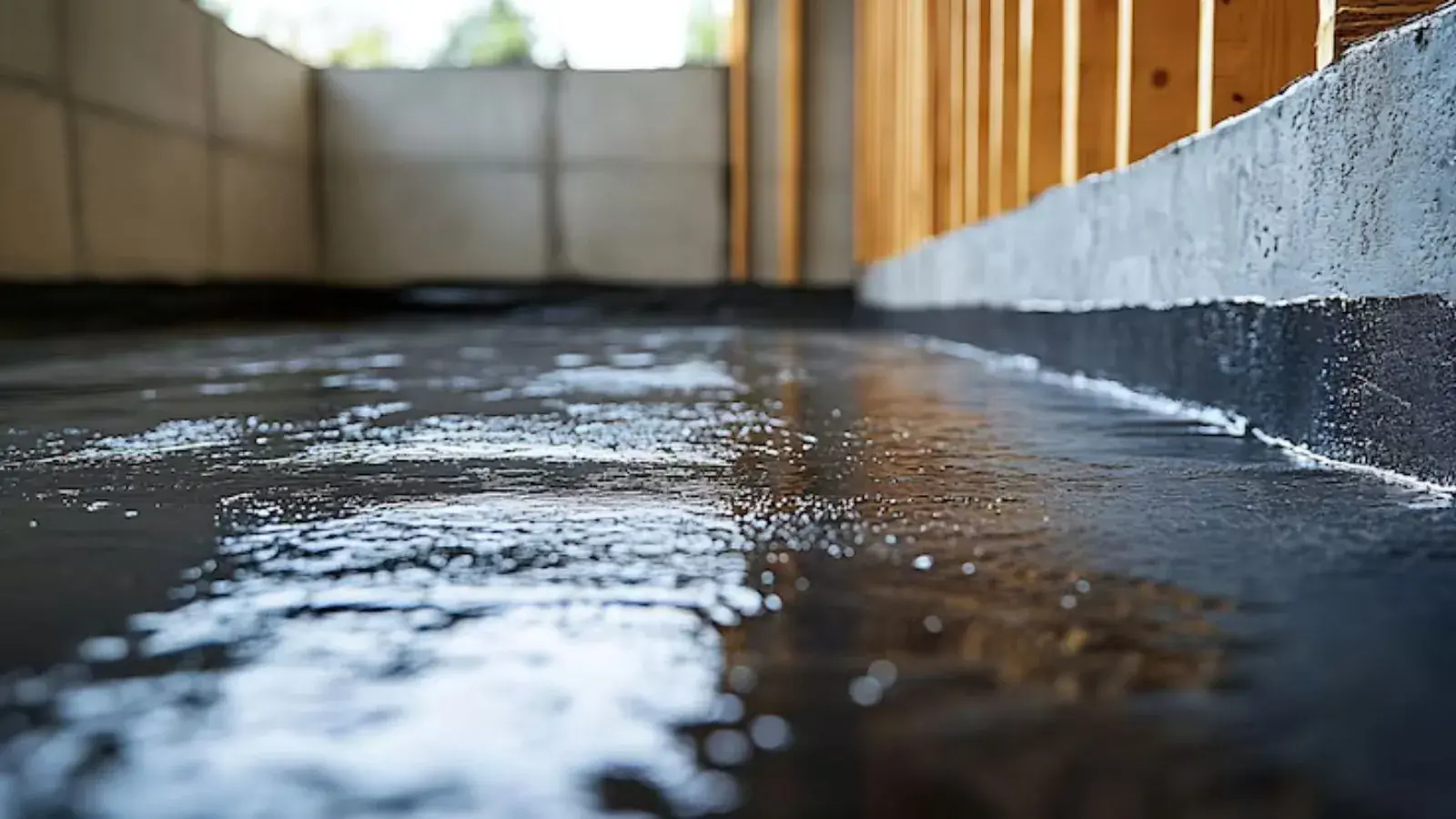
A wet basement has a cause, and fixing the cause is cheaper than repeated cleanups. Water arrives through the floor-wall joint, through cracks, through window wells or from a plumbing leak. A plumber can sort plumbing causes from groundwater causes before you spend on the wrong fix.
Where Basement Water Comes From
| Path | Sign | Fix |
|---|---|---|
| Floor-wall joint | Seepage along the edge | Interior drain tile and sump. |
| Wall cracks | Stains and dripping | Crack repair, exterior grading. |
| Window wells | Water below windows | Drains, covers, grading. |
| Plumbing leak | Damp near pipes, constant | Leak detection and repair. |
| Floor drain backup | Sewer smell, dirty water | Main line cleaning. |
Rule Out Plumbing First
Before waterproofing, confirm the water is not coming from a supply leak, a failed water heater or a backed-up floor drain. Those are cheaper fixes. See leak detection for supply issues and sewer line cleaning for backups.
Interior Drainage and Sump Systems
An interior drain collects water at the footing and sends it to a sump pit, where a pump discharges it outside. It does not stop water entering the soil, but it controls it under the slab. The system is tidy, works with finished basements and costs less than excavating outside.
Pump selection and a backup are part of the design, as covered on the sump pump page.
Exterior Fixes That Help
Cheap things to try first
- Extend downspouts several feet from the foundation.
- Grade soil so it slopes away from the house.
- Clear window wells and install covers.
- Keep sprinklers from soaking the foundation.
- Fix cracked or sunken flatwork that pools water.
Magna Soils and Water Tables
Parts of the Salt Lake Valley have clay-rich soils that hold water and expand, pressing against foundation walls. Spring snowmelt raises groundwater near the lake plain. The Utah Geological Survey publishes maps of shallow groundwater, which help you see whether your area has a high water table.
What Affects Waterproofing Cost
Scope and access set the price.
Insurance and your real number
Groundwater seepage is typically excluded from homeowners policies. Ask about a water backup endorsement. Call (385) 488-1892 for a quote.
Basement Wet Again?
Call and book an assessment.
How a Plumber Finds the Entry Point
Water takes the easiest path, which is rarely where you first see it. A plumber starts by checking the supply lines, the water heater, the washing machine hoses and the floor drain, since a slow plumbing leak mimics seepage. Then comes a moisture map of the walls and floor, and a look outside at downspouts, grading and window wells.
If the water appears only after storms or snowmelt, groundwater is the cause. If it appears at any time, a pipe is the suspect. Telling those apart before you spend money is the most useful part of an assessment.
What an Interior Drain Job Involves
Cut the slab
A strip of concrete is cut along the wall where water enters.
Dig the channel
Soil is removed and a perforated pipe is laid on a bed of gravel.
Connect to the pit
The pipe slopes toward a sump pit that holds the pump.
Restore the floor
New concrete is poured and finished, and the pump is tested.
The work is noisy and dusty for a few days, and the finished floor shows a patched strip along the wall. Finished basements need baseboards and drywall removed along the cut, which is why leak detection and exterior fixes come first when they can solve the problem.
Humidity Is Not the Same as Leaking
A basement that smells musty but never shows water may only have a humidity problem. Concrete releases moisture vapor, and cold walls collect condensation in summer. A dehumidifier set to hold the air near 50 percent relative humidity, plus ventilation and sealed dryer vents, often fixes it. Treat liquid water and humid air as two different jobs.
Codes, Permits and Who Inspects
Utah applies the International Plumbing Code (IPC) with statewide amendments, and your city or county building department enforces it. Interior drains that tie into a sump pit, and any pump discharge, can fall under permit rules. Ask the building department before work starts, and ask the plumber to explain what will be inspected.
Waterproofing Questions
The interior drain and sump side is plumbing work. Exterior excavation may involve other trades.
Many installs finish in a few days.
It controls liquid water. Humidity may need a dehumidifier.
Yes. Grading and downspouts are homeowner work.
Call the emergency line. The first job is stopping the water.