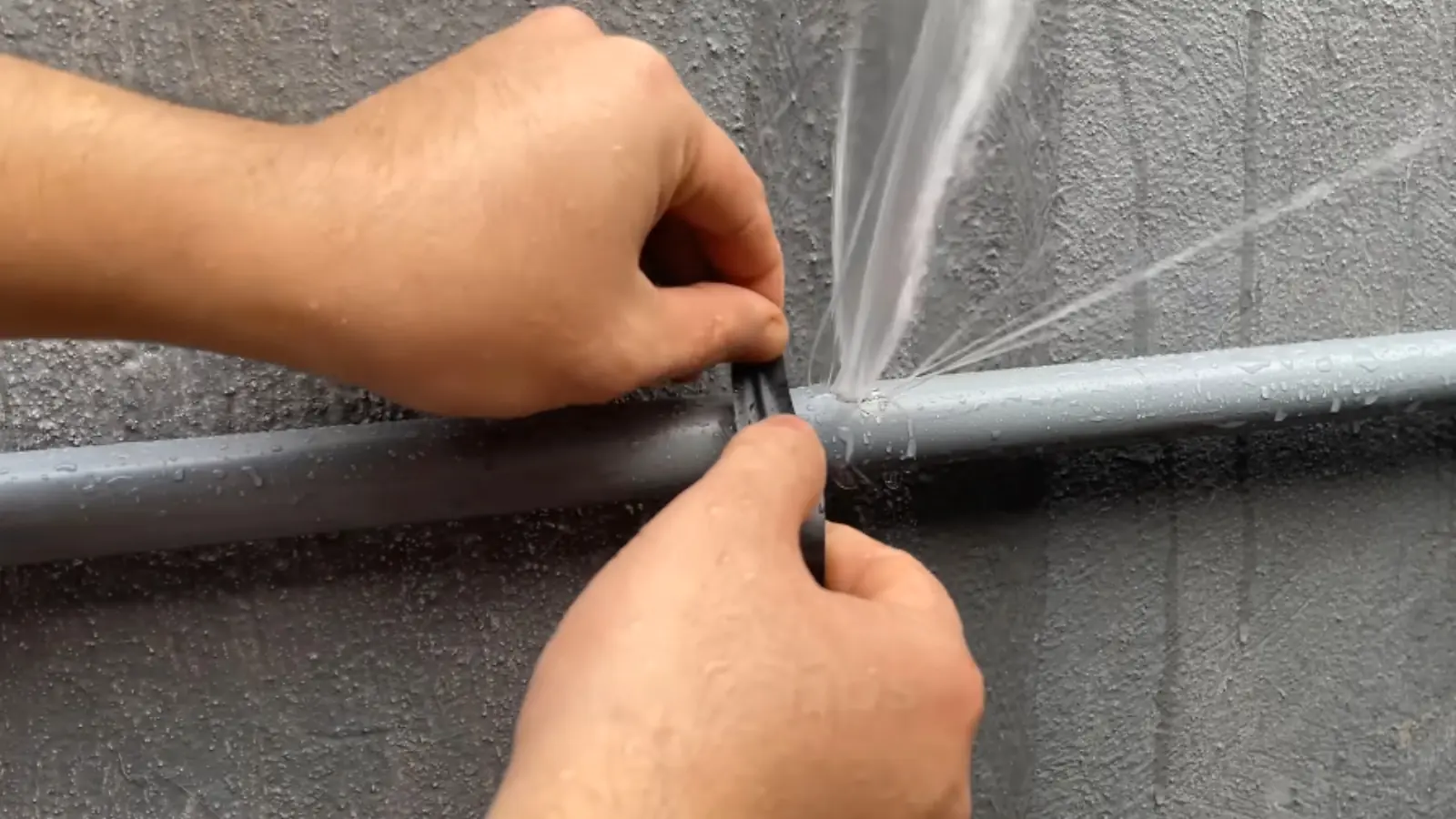
A burst pipe can release hundreds of gallons in an hour. Find the main water shutoff, turn it fully clockwise, and open a faucet at the lowest point of the house to drain the system. Then call the 24/7 line. Our plumbers take burst pipe calls at night, on weekends and on holidays.
If water is near outlets, breaker panels or light fixtures, stay out of the area and switch off power at the main breaker only if you can reach it dry.
The First Ten Minutes After a Pipe Bursts
What to do, in order
- Shut off the main water valve, usually near the water heater, in a basement or at the meter.
- Open the lowest faucet and flush toilets once to drain the lines.
- Turn off the water heater's power or gas so the tank does not run dry and overheat.
- Move valuables and lift rugs and furniture legs out of the wet area.
- Photograph damage and any visible split pipe for your insurer.
- Call the emergency line and tell dispatch where the water is coming from.
Why Pipes Burst in Magna Winters
Magna sits on the west side of the Salt Lake Valley, and the Great Salt Lake and the Oquirrh Mountains shape its weather. Hard freezes in January and February can freeze lines in exterior walls, crawlspaces and garages. Pipes burst not where the ice is but where the pressure builds between the ice and a closed faucet.
Homes that sit vacant for a winter week are the most exposed, as are additions with pipes run through unheated spaces.
Pipes also fail without frost. Aging galvanized steel corrodes from the inside, and copper develops pinholes. Water pressure above the normal range for a home stresses every joint. If you have not checked your pressure, a gauge on a hose bib takes a minute.
Frozen But Not Yet Burst
If a faucet only drips or nothing comes out in cold weather, a pipe may be frozen. Open the faucet, warm the pipe slowly with a hair dryer starting near the faucet, and never use an open flame. If you cannot find the frozen section or see any bulge or crack, shut off the main and call.
| Method | Used for | Notes |
|---|---|---|
| Cut-out and coupling | Split copper or PEX | Permanent when properly made. |
| Press fitting | Copper repairs in tight spaces | No flame, fast. |
| Section replacement | Corroded or galvanized pipe | Plan for repiping if widespread. |
| Temporary clamp | Stopping flow until a full repair | Not a permanent fix. |
| Slab leak access | Pipe under concrete | See leak detection first. |
When a burst reveals worn pipe throughout the house, the better answer may be repiping rather than another patch. For leaks you cannot see, start with leak detection.
Dry-Out and Insurance Basics
After the leak is stopped, wet drywall, insulation and flooring need to dry quickly. Mold can start within a couple of days in damp materials. A restoration company handles drying, while the plumber's job is to stop the leak and repair the pipe. Ask your insurer which documents they need. Sudden and accidental pipe bursts are often covered, but gradual leaks and freeze damage from vacant homes may not be.
What Affects Burst Pipe Repair Cost
The price follows the pipe and the access, not only the break.
Insurance and your real number
Photograph everything and keep damaged pipe if you can. Call (385) 488-1892 for a quote.
Water Running Now?
Shut off the main and call the emergency line.
Code and Permit Notes for Pipe Repairs
A simple repair of a split section is often handled without a permit, while replacing long runs or relocating lines may need one. Utah applies the International Plumbing Code (IPC) with statewide amendments, and your city or county building department enforces it. Ask your plumber which category your repair falls into and keep the receipt for your insurer.
What to do before the plumber arrives
- Keep the main shutoff closed until the pipe is repaired.
- Open faucets slowly after the repair to purge air.
- Check ceilings and walls below the break for hidden moisture.
- Keep the damaged pipe section if you can for your records.
- Ask for written notes on the repair and the pipe material used.
Burst Pipe Questions
Yes. The line is open 24/7 and burst pipes are dispatched as emergencies.
Look near the water heater, in a basement, a utility closet or by the front hose bib. If you cannot find it, call and dispatch will help.
Sudden bursts are often covered, but policies differ. Ask your insurer and keep photos.
Keep the heat on, open cabinet doors on exterior walls and insulate exposed lines. Disconnect hoses and drain outside bibs.
Yes, when the pipe is failing broadly. See repiping.